Friday, November 13, 2009

The Feminine: Power to Move Minions


It is no secret around here how much we detest the lack of common sense. Nor is it a surprise that we despise Government's cultural tendency to fall into the temptation of tyrannical turpitude.

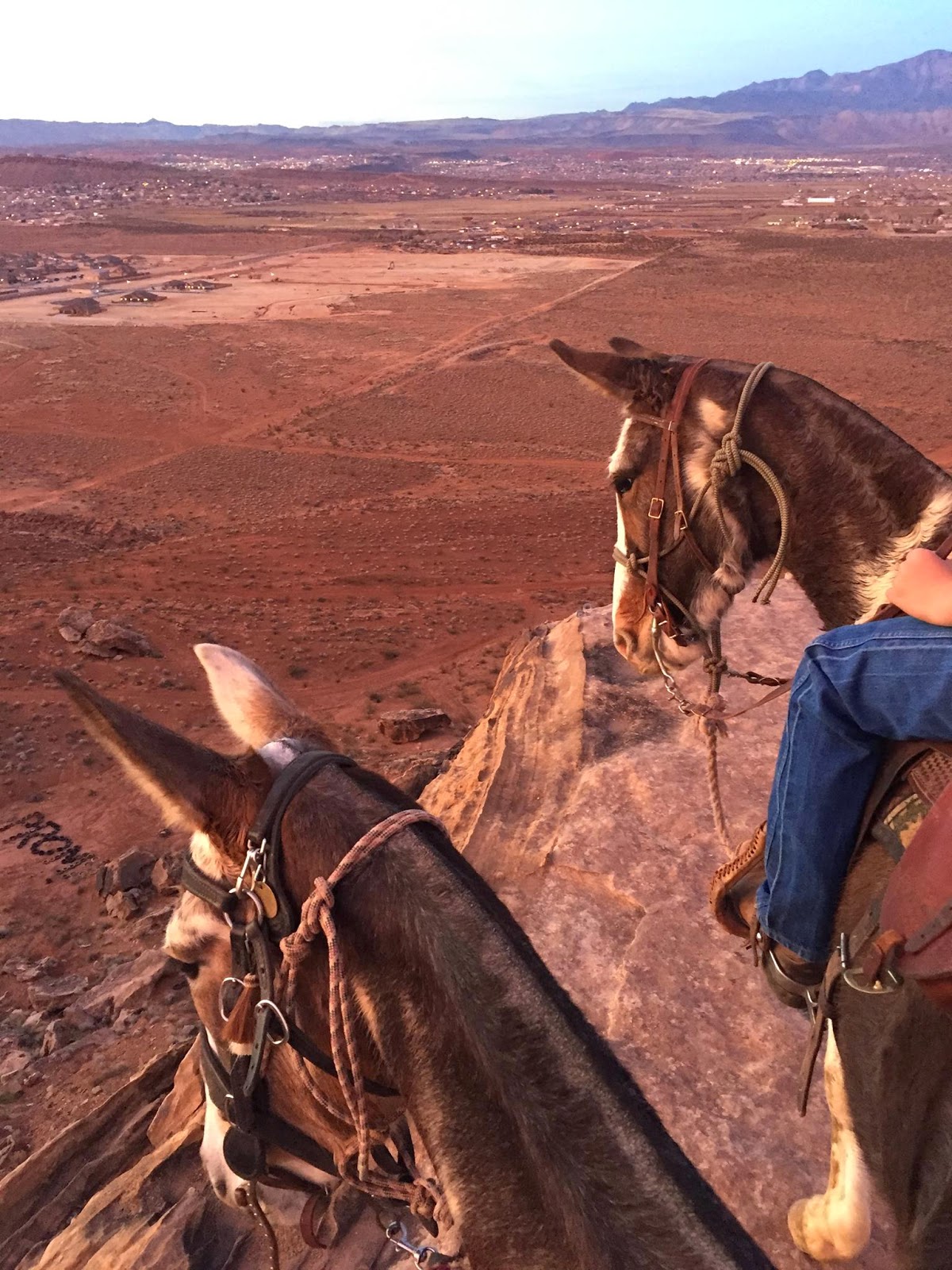
St George is busily building a replacement airport behind the ridge line that separates it from the Little Valley where we live. From the moment we moved here in 2001, we have playfully ridden, hiked and crawled all over this ridge. Watching the airport come together from this vantage point has been particularly fascinating for our whole family since they began construction 1 year ago.

Early this morning, Brother Mike, Neighbor Brad Griffith, and my Sweet Wife joined me on a round trip ride that takes us over the ridge in view of the airport. It had rained overnight and St George had that wet-desert smell which consists of a recipied blend you find nowhere else: creosote, mesquite, sage, and red-sand mixed with a hint of Pine Mountain's heights. Getting outside was irresistible.

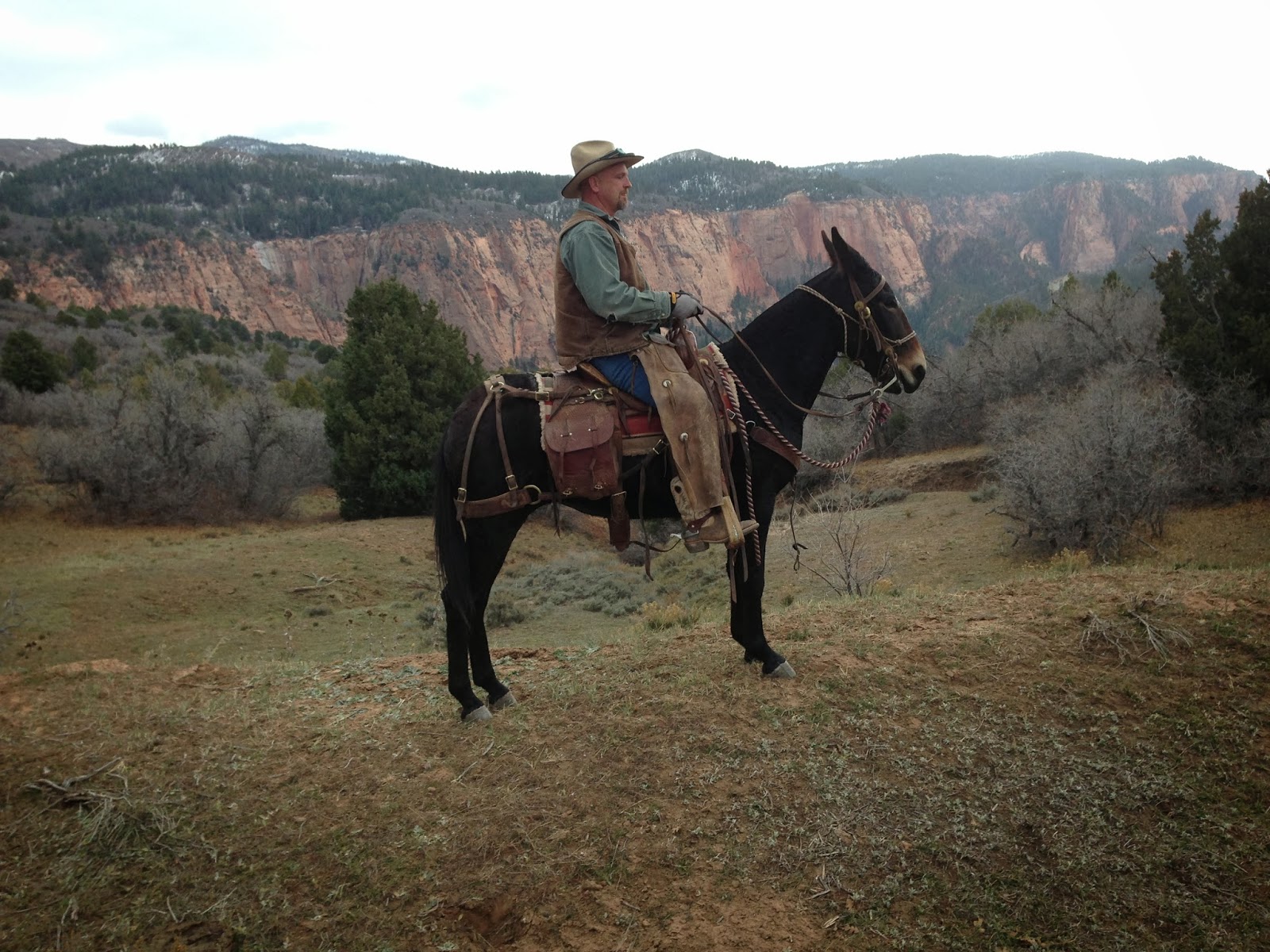
On the final leg home, we crossed over the only road currently open to the airport before coming off the ridge on the single track trail that gets so heavily used. Brad and Brother Mike went across first, about 30 yards ahead of Chantra and me who were moving a bit slower. As Brad and Mike continued along the road's shoulder, and we approached our crossing, an official St George City truck topped with yellow lights, came up from below. The young city employee who was driving stopped along side of Brad and Mike, leaned out the window and declared in an authoritative voice, "Hey! You shouldn't be up here on this road!" (Not true, plus we crossed at a safe, visible intersection in this still remote, right of way.) He waited for us to cross and angrily shook his head at me while giving me a black look before turning to Chantra who followed behind.

Descending the hill, Brad, Mike and I laughed out loud, wondering what it is that makes a low-level government employee throw the weight of his ASSumed power around like some sort of stooge, as if we had committed high crimes and misdemeanors. From behind, a somewhat perplexed Chantra declared, "I didn't realize he was mad...? He just stared at me and SMILED as I rode by."

Remind me not to leave you home anymore, Hon.

(The irony? Today's paper warmly invites the public to ascend this road and watch the airport's progress in an effort to grant full governmental transparency.)

Monday, November 9, 2009

I Almost Lost My Ass


My Ass nearly fell off a cliff today. In fact, it was closer than nearly.


The Haslem trail is hard work for horses and mules, but for a jack, it is nigh impossible. The valley floor and most of the ascent to the mesa top is covered in deep, powdery red sand. With his small, narrow hooves, Rusty negotiates the Warner Valley sand dunes like a transvestite in stiletto heels. By the time we hit the top, he was dog-tired and fagged-out. I had even gotten off to lead him most of the way up the steep parts of the trail. The going was slow and my partners waited patiently, sometimes helping to push/pull Rusty over some of the technical spots.

Dr. Steve Carr, a Spokane, Washington Veterinarian and his two brothers Tyler and Jeff wanted to experience the high-angle thrills of the Haslem trail. They drove up from some meetings in Las Vegas this morning for the outing. I have known Dr. Carr since my missionary days in Boston, and we studied together for some of our undergraduate work at BYU. Little Preston and Jim Wallick (who helped build the Haslem trail) were along too.


After lunch at the top, we started picking our way back down the honey-combed sandstone ledges. The trail skirts a short, rocky outcropping and scampers over three boulders that overlook a tapered drop off below. Crossing the boulders is the only way down. Rusty decided he wasn't going to traverse the boulders or step over the fissures between them no matter how much we cajoled, pushed, pulled, or cussed. Finally, he tipped over onto the gently sloping edge of the cliff--tired, weak from fighting us, and breathing heavily on his side. After a rest, I gave a mighty pull on his lead rope to help him get up. Before he could get his front feet firmly beneath him, Rusty's back feet slipped against the rolling downward edge and he fell back on his side--this time gravity prevailing. Rusty slipped off the edge. Every single muscle in my body screamed with agony as I gave them all to the lead rope in my hands. It was a tug of war with life and death. Somehow, with strength not my own, he stopped. Only his head was topside, his body hanging against the vertical side of the cliff. And I had exceeded my limits.


Thank goodness for Jim Wallick and the Carr brothers. At the moment I thought I couldn't hold on for another instant they rushed over and grabbed the rope. It took all five of us pulling in unison, just half an inch at a time, to pull Rusty back up on top. After hauling him to safety, we all stood in welcome relief. Rusty just laid there groaning.

Back on his feet again, all five us us dragged, lifted, and pushed Rusty over the 3 boulders. For the rest of the trail, he was a perfect gentleman and after leading him off the steep stuff, I ended up riding him back across the sandy valley floor to the trailer. It was a near death experience for Rusty, and the sight of him falling to the cliff's rock strewn bottom still feels real in my mind's eye hours later.


So, following such a tale, I need to certify here that no animals or asses were harmed in the creation of this post. But it was close. My ass has never been in such a tight spot.


Monday, November 2, 2009

Grand Canyon Tricks and Treats


So Preston, how would you like to go trick-or-treating in the Grand Canyon this year? I know a line-cabin where we might find some candy. "But Dad? There won't be very many houses down there..."

The only time we like dense neighborhoods around here is when we are trying to maximize the candy return on a costume investment. But for Preston and me, it was going to be the Mud Springs line-cabin for Halloween, and it is about the only game in town for countless miles of Grand Canyon Country. Mud Springs cabin is an old prospectors haunt where the Hughes and Snyders layover as they move their cows in and out of their winter range in the lower elevations of the Grand Canyon. After 80 miles of tortured dirt road in an old truck and stock trailer, and another 10 or more miles down the vertically-indulgent Dan Sills trail on mule, the saddle bags better be laden with candy for the trip back home.

We were there to round up last spring's calves and bring them back to town for weaning and sale with Dan Snyder. We spent the weekend helping Dan fix the spring that had stopped filling the stock tank, gather the herd, and pushing them back up the Dan Sills trail to his ranch on top. Preston did a mans work on his little mule without much complaint. Minnie Pearl took good care of him, even when he fell asleep in the saddle.

It was a pretty good trick to find a bag of Halloween treats in the lower reaches of the Grand Canyon. It was an even better treat to spend Halloween cowboying with my little pard.


Monday, October 19, 2009

Unscripted, Part 1: The Lost Sister of Canyon de Chelley


"We miss the trips we used to take before we had horses and mules," complained the kids. "Then, Mom and I will take you on an old-fashioned, Great American Road trip," I replied. "We will point our pickup toward Four-Corners and drive for 3 days, following our curiosity to what-ever tickles it. But there is one condition... no iPods, no console-videos, and no sleeping during daylight hours. We will only take you if you'll sit up, look out the windows, and ask yourself 'why?' as we drive along."

Its great to be the holder of the car-keys. After some sub-audible grumbling, a deal was struck. And off we went on a magnificent adventure, full of wonder and familial felicity. We left with 2 coolers full of food, a little camping gear, and no itinerary. We came home a better family, with stories we couldn't have orchestrated better if we tried.

***

She was born in the mouth of one of Canyon de Chelley's fingers to traditional Navajo sheep herders. Elverna's mother and grandmother were talented rug makers who eked out a living trading their handy-work. Their art was created from scratch in those days: the wool carded and spun into yarn, the dyes all made from the traditional plants in their world, and the rugs hand woven on looms, one strand at a time. She began to learn from her mother and grandmother very early--perhaps as young as age six to weave the Navajo way.

Life on the reservation was rugged. Elverna's father abandoned the family before she was born and she would never meet him until the age of 15, just before his passing. They lived the old way--no electricity, no indoor plumbing, and primitive housing. Elverna, her sister and brother had to carry water a quarter mile for their daily use. For schooling, they had to get up at 3 or 4 am and walk 2 miles for the long bus ride to the boarding schools in Chinle and Many Farms, Arizona.

I was thirteen when she came to our family. In 1980, Elverna's mother placed her and her older sister into the LDS church's Indian Student Placement Program that ran from 1947 to 1996. Elverna spent the next 3 school years with our family, going back to her own family each summer. During those years, I was entering my semi-rebellious teenage stage and she was just the Navajo girl from someplace called Chinle, Arizona towards whom, I was ambivalent. She was often homesick and a little angry that her mom had "given her up," but her time in Mona with our family was pleasant and she made several friends.

Elverna spent a fourth year on the placement program somewhere in Arizona. Meanwhile, her family got pushed off of their traditional land in the mouth of Canyon de Chelley by tribal elders after fueding with some neighbors. Eventually, after a time of being displaced, her Mom and Grandmother settled in government housing in the small reservation town of Navajo, New Mexico.


Traditional Navajo rugs are worth their weight in gold. It is an art that takes years to master. The intricate, hand-woven designs in these rugs, and the ability to reproduce them seem to be genetically encoded in the Navajo. Elverna inherited the art from the Ancients, and benefited from generations of skilled weavers in her family. With self-effacing humility, she explains that she doesn't have a website that shows her rugs, but if you will just google her name, you will find her work. She is good. She doesn't harvest her own wool any more, but she colors her own yarns from dyes that she, her mother, and her grandmother make from ancient recipes. A 4x6 rug made by Elverna can fetch 20-30 thousand dollars in the retail market.

Thanks to the modern miracle of the Internet, my sister Shellie found Elverna on Facebook just a couple of months ago. We discovered that our foster sister was living in Flagstaff, Arizona, and I plugged her phone number into my cell phone, vowing we would look her up the next time we passed through her town.


***

The wind was blowing Friday afternoon as the kids took turns standing in all four states at once for pictures. There isn't much more to see at Four-Corners monument and a couple of hours of daylight remained, so we huddled up to decide where to go next. We had seen the signs for Canyon de Chelley along the highway and I had heard it was worth a visit. The GPS pointed the way and we found our selves driving over miles of primitive dirt roads across the reservation. The radio blared a mix of country music and Native American chants, the DJ speaking mostly Navajo. We were indeed off the beaten path and our position began to feel eerily remote--the older boys questioning the wisdom of following the GPS this way. Eventually we hit pavement again and it started to dawn on me that we were headed into Chinle, Arizona. As soon as we found some cell service, I called Elverna to surprise her that we were in her old stomping grounds. Turns out, Elverna was headed through Chinle, towards Navajo, NM as well for a weekend with her family. And our unscripted road trip was about to become a family reunion with our sister that we hadn't seen for 26 plus years.

After we met up that evening in the parking lot of the local gas station in Chinle, little Preston declared, "Dad, Elverna doesn't look like a real Indian." Oh really! Why not? "She doesn't have braids, feathers, a painted face, or a bow and arrow." Three generations of Navajos laughed appreciatively the next day as Elverna related his astute observation to her family, and her 87 year old grandmother, eyes aglow, gave Preston some wisdom from the ancients in a tongue we will never understand, but with love that never needs an interpreter.


Monday, August 31, 2009

Soaking up Wilderness in the Winds


As the firelight faded about 1:00 am Tuesday night, and everyone crawled into their tents, I found myself sitting on the ledge overlooking Crescent Lake. The night was completely still and bathed in starlight, a blackened silhouette of peak and pine cutting its jagged break across the heavens. From my granite seat, I watched an ancient drama unfold in the mirrored black depths below. Reflected there, a portion of the brilliant night sky danced and shimmered in the water. Winged Pegasus lept across the raging current of the great Milky Way River, which flowed out of the dark pines on the far shore. A billion points of light spilled from the Big Dipper and slowly revolved around Polaris, the North Star. A Still Small Voice breathed, "They are mine and I know them." The river across the meadow rumbled and a chorus of frogs cried, YOU ARE PART OF THIS! My heart begged the question of the ages, the question coined by the Psalmist:What is man that thou art mindful of him?


Call it Mancation. Or call it double-dipping. I don't usually get two good trips like this in a year, (the other being the Uintas). But Neighbor Jim ran out of the Windrivers last year, mosquitoes nipping at his heels, before he got to see them. He insisted that we try again later this year after the bugs vanish. Last year was so good for Brother Mike and I, in spite of the bugs, that we eagerly agreed to go back with him. In fact, the only relief we got from the mosquitos last year was after dark, so we stayed up for the star-show nearly every night. Looking back, I'm glad we stuck it out--seeing the milky way reflected in Crescent Lake as I described above was a moving experience. What we saw in the daylight this year as we logged 69 miles of riding was equally moving. We followed our GPS and a lot of game trails through the lakes nestled in the peaks of the Great Divide. The granite spires of the Winds literally steal your breath away while your soul involuntarily leaps for joy.

The fishing was fabulous. We sat in one stream on our mules and caught brookies from the saddle as fast as we could release them.

There were three of us. We rode in on six mounts: three mules and three horses, each of us riding one and leading one with our gear. We walked out with four: three mules and one horse--and the horse was lame due to a deep cut on her back leg. One of the tricks to taking stock into the wilderness is orchestrating their care. With all the work they do, they need plenty of graze and water. And because of herd dynamics, some can be loose only when the others are tied. We have to figure out who can be loose together and who might run off if their pals are loose too.

Our last night, Neighbor Jim left his two horses loose for just a moment after graining them. Brother Mike and I each had one loose and one tied. At the edge of darkness, Jim's horses slipped silently away, my Molly following. Jim noticed immediately and took chase without a word to us. 20 minutes later, I sensed something wrong--I couldn't hear Molly's cowbell anymore and Jim wasn't in his usual seat at the fire. Thank goodness my Molly has an insatiable appetite. A mile later, Jim caught her when she stopped to eat, but his horses had vanished into the darkening woods like they were on an urgent mission. Early the next morning, he and I rode 9 miles, tracking them until their prints disappeared in a morass of cow tracks.

We ended up double stacking everything on the four remaining animals, and hiking another nine miles out on foot, Mike's horse limping all the way (we packed her light). We then spent a couple of hours in Boulder, WY connecting with the locals for help in finding Jim's horses.

There is one thing about the wilderness... there is no safety net. Speaking of the WindRivers, Finis Mitchell said it best: "In Wilderness, man learns to have faith in his Creator."


By the way, Happy sweet 16, Justin. We celebrated with you--courtesy of the wind Gods who smiled on us and delivered these balloons.
9/22/2009 UPDATE: Jim went back to the WindRivers this past week, and rode over 30 miles looking for his horses. No luck. He also visited with the locals, the brand inspector, and several ranchers who graze the area where we lost them. No luck so far.


Wonder where your balloons went after you let them go?

Monday, August 10, 2009

The One Eyed Mule Skinner of Dime Lake

Among the religious traditions of the world, the concept of Heaven has universal appeal. While many argue over the details, a common thread in each faith describes Heaven as a place of transcendent beauty. Within the framework of my own religious education, Heaven is an exalted place with eternal splendor and brilliance that neither mortal eyes nor mortal intellect could ever withstand. It is the place we aspire to be when we leave this sphere.

The High Uinta Wilderness isn't far behind. Every time I behold her other-worldly magnificence, I ask myself, "How could God possibly improve upon this place?" Our nearly-annual trip there is a pilgrimage worth the effort. The Uintas refresh the urban-burdened soul with terrestrial air, and celestial beauty. I always leave thankful that God created pockets of Heaven on Earth for our nourishment.

Brother Mike, Dr. David Jones, and I took some of our kids, mules and horses packing in to the Fox Lake basin over the 24th of July. For five days, we fished, explored, cooked, and enjoyed the company of our kids around the warmth of the evening campfire. No one wanted it to end.

Brother Mike was still recovering from an eye surgery that left him sore and red. "Are you sure you are up to this trip?" we asked. Are you kidding? I'm not missing this for anything!


*Photos and artistic eye courtesy of Dr. David Jones, evil eye courtesy of Brother Mike.

Wednesday, July 8, 2009

Nebo: When You See a Man on a Mountain...


Towering over the little town of Mona, Utah at 11,998 feet, stands one of the most unique mountains in all the world. From almost every angle, Mount Nebo's presidential profile stands symetrically perfect against the blue sky. Even from great distances, her shape is easily recognized, as if her triune peaks were meticulously carved for some great purpose. Named after the biblical Nebo in Jordan where Moses viewed the promised land, our Mount Nebo's beauty evokes poetic and artistic expression of a reverent sort with the locals who re-create her likeness in word and picture. And no wonder. I've seen grown men moved to tears under the spell of her long shadows and soft sunset lighting. Nebo has a unique talent among mountains. She freely offers her defined beauty to all comers: from the average valley traveler, to the sinewy hiker that is willing to pay the price of climbing her vertical slopes.

Clilmbing to Mount Nebo's summit is a parable with a likeness to ascending through lifes challenges--impossibly tough, but completely worth the struggle. Over the years, I have made the climb numerous times, and my children have all stood on her South peak by the time they were four to six years old. Making the summit takes more than physical strength--it takes mental toughness that few other activities require.

This year, it was Preston's turn. And for the first time, we took horses and mules part way to the top. I thought it would be much easier and faster, but found that it takes all the same physical strength and mental toughness as hiking--only me knees were saved. Preston, age 6, beamed with glee after handling his horse the whole trip by himself, over some tremendously rugged trail.

As I stood on top of Mount Nebo on the 4th of July, the great truism penetrated my mind, "If you see a man on a mountain, you can be sure he didn't fall there."


Sunday, June 28, 2009

Bar 10, Cowboys Unlimited

Here is a great mule Story. 80 miles straight South of St. George, right near the edge of the Grand Canyon, lies Heaton's Bar 10 ranch. The Heaton family has ranched the Arizona Strip for 5 generations, but Tony and Ruby consolidated and expanded their ranch holdings to the edge of the canyon. As was common in these isolated expanses, access to the ranch house was simplified by adding an airstrip to the property. Coincidentally, about this same time tourists began running the Colorado River in rubber rafts. Soon, many hundreds of people were floating down the river through the Grand Canyon, just down-wash from the Bar 10. When cattle prices fell, and interest rates soared, Tony recognized a business opportunity in the Colorado River. By the time river rafters got to a point near his Bar 10 Ranch, they had already been on the river for seven days, the length of time most people budget for a vacation, and near a person’s maximum enjoyment of the cold water, hot sun, and camping conditions on a Colorado River raft trip. Tony offered rafting companies the option to end their trip a few days earlier – just below the climactic Lava Falls Rapid, and use his airstrip to catch flights back to Las Vegas. He quickly organized teams of mules, and he and his four young sons were soon bringing wet, sunburned, awestruck tourists up from the river to his ranch. (Italics from Bar 10 Website)

The Heaton's pulled people out of the river by mule for about 10 years. By 1985, they had built a lodge and traded mules for helicopter service which helped accomodate the ever growing numbers of rafters that visit their ranch each year.

Our boys hired on at the Bar 10 for summer work this year. I envy them. Their job is hard work, but in a vacation sort of way... We followed them around this last weekend--what a cool job! The photos show their typical day.


Flying into the Canyon (no flight on earth can compare!)

Assiting river runners and their gear onto the heli, after arranging weights for best balance

Flying back out... (I'd work for free all summer just for the heli trip)

Guiding horse and ATV tours


Telling tall tales...


Teaching guests about ranch education, "Out behind the Barn."

Washing the dinner dishes for guests and crew

Performing "Devil went down to Georgia" for after dinner show


Sharing the life with Mom

*Important note... one need not float the Colorado river to enjoy a Bar 10 experience. It's worth the drive!

Sunday, June 7, 2009

Calf -n- Carry

In the bottom of a steep ravine, a small stand of cedars offered the only shade for a mile in any direction. Molly picked her way down the bouldery walls, slipping and sliding in the loose rocks. We were hunting cows in the lower benches of the Grand Canyon. With summer nearly here, it was time to gather the cows out of their winter range land and push them to the cooler, upper plateaus that are now part of the Parashaunt National Monument.

Sure enough, I could see cattle, camouflaged among the shadows of the rugged, boulder-strewn ravine floor. With an infinite number of hiding places in the vast reaches of this shelved, ledgy country, I felt relieved to find four heifers seeking coolness under the protective branches of this solitary cedar grove. Finding the whole herd on round up day ain't easy.

As I carefully made my way toward the cows to get them moving, I noticed a little black calf wedged between two boulders. From the looks of things, it had probably been born that morning, but was unable to get loose from its position among the rocks. I got off Molly and carefully freed the calf from its trap. It was full of life, but unable to stand on its own.

I tied the calf over the saddle and started pushing the cows out of the ravine toward our gathering spot a couple of canyons over. The cool of the morning was wearing off. My spurs jingled and the calf bawled its slobbery cry as we scrambled up the loose hillside. We made our way through yucca and sage to the assembling herd in a large flat at the mouth of two canyons. The other cowboys were converging there with the rest of the herd where they had to be sorted. One herd would go up the steep and ledgy Dan Sills Canyon. The other herd's trail to the upper plateau follows the long and rocky Andrew's Canyon.


The calf in my saddle would never survive the treacherous ride with the herd that was going up Dan Sills Canyon. So we left it with its mother near a watering hole where she began to encourage it to live. If it does, the mother will bring it up the trail on her own when it gets strong enough.


Men as tough as the rocks in the canyon own these ranches. They are Arizona Strip cowboys with generations of heritage and experience to guide their survival. The land they ranch on is as thirsty and unforgiving as it is beautiful. Many of these cowboys are my neighbors. They live in town (sometimes), and drive nearly 100 equipment-eating miles of nasty dirt road each direction to-and-from their ranches. No one lives permanently on the Strip any more.


Denice Hughs and his two sons, Dusty and Cody, pushed their herd up Andrews Canyon. I rode with Dan Snyder, pushing his cows up the Dan Sills trail. Pushing a string of animals up a steep, nearly single file trail is akin to pushing a rope. It took a full day to gather the herd, then make the slow climb to the top. After fire grilled steaks and a night of deep and sound sleep under the stars, we spent the next day working calves. They all had to be roped, branded, ear-notched, and the bull calves--castrated.

Dan is a gentle giant of a man. Even in the midst of the danger and aggravation of our weekend drive, I never saw him raise his voice in anger or heard him curse. I've known him for nearly 12 years and can say the same thing looking backwards in time. I've watched him return good to those who have done him ill, and I've seen him treat others fairly even when he thought no one noticed. We all should have, and be that type of neighbor.

I hope that little calf finds its feet and joins the rest of the herd in Pin Valley on the Snyder Ranch. T'was an honor to work next to such fine men.


Saturday, May 30, 2009

Butch Cassidy's Shangri-la

The more I see of Bryce Canyon country, Escalante, the Grand Staircase, and the San Rafael Swell, the more I think I know what drove Butch Cassidy into a life of crime.

The Cenozoic aged rocks of the Paunsagunt Plateau eroded into colorful and fanciful hoodoos, surrounding the plateau in horseshoe fashion. The Eastern slope of the plateau formed Bryce Canyon, a natural amphitheater. Headward erosion created exquisite scenery from Bryce Canyon around to the South end of the plateau, and back to the North along the Western Slope towards Panguitch. You drive through Red Canyon which is part of this formation as you climb up onto the Paunsagunt traveling toward Bryce Canyon. Butch Cassidy is rumored to have used Red Canyon for one of his super-secret get away trails.


Chantra, Sunnie, Preston and I took the Cassidy trail 10 miles up onto the Sevier Plateau toward Mount Dutton just North of the Paunsagunt for an overnighter. Preston claims it was his favorite campout, bragging to all who will listen about how he handled that 3 year old mustang all by himself.

It is not difficult to imagine how hard it was to explore these beautiful places at the end of the 19th century. Even if your farm or vocation allowed the spare time for it, riding your mount for days or weeks just to get there had to kill the leisure side of it. Robbing banks, trains, and payroll stages was about the only career that afforded one the opportunity to chase all over this incredible land. Butch had it pretty much to himself back in those days, and he knew it better than anyone else--a true professional. The lawmen who had real jobs only scratched the surface of Butch's haunts. Even today, some of his trails are very difficult to find.

Honest work and modern technology make much of Utah's remote country accessible these days. Checking eyes 4 or 5 days a week lets us load up the trailer and be there in hours. Sure glad we don't have to rob banks, trains or payroll stages to experience the majesty of Southern Utah.


Monday, May 25, 2009

Escalante's impromptu Theatre

For an audience of just two, the Author of this critically acclaimed masterpiece spared no expense, every detail proving the transcendency of His production values. From the entrance to the theatre, to the pre- and post-show entertainment, each human sense was pleasantly invited to participate until the storied climax lifted our spirits to their feet in thunderous applause. It was choreography of universal magnitude that played just once--and that once, offered exlusively for us.


We entered the canyon by mule and mustang after a day of hard rain, with the promise of more to come. Broken clouds filtered the sunlight on the sandstone cliffs and the sweet smell of Russian Olive wafted through the canyon against the fresh smell of wet-desert. Dense foliage along the silt-laden river made passage difficult for mule and rider. We were in the foyer of the grand amphitheater and the decor consisted of an arch, a natural bridge, panels of ancient art, and a cliff house safely ensconced above our reach.


Crossing the river a couple more times, we found ourselves inside the main hall. Just in time for the grand entrance, we took our seating, box-style in an alcove under an overhang in the red rock. Camp had been struck, the mules cared for, and dinner prepared at our feet. As if on cue, the house lights dimmed as dark clouds gathered. In the pit, the orchestra rewarded our anticipation with a clap of thunder that reverberated up and down the canyon walls. It was Act I. The soft sound of the wind rustling through the cottonwood trees was soon replaced by the dissonant, white noise of rain beating against every instrumentality in the theatre. A sudden chill brushed our faces while the smell of ozone and rain mixed with the scent of Russian Olive and tamaracks. For about 20 minutes, we watched the plot unfold.

Act I faded as quickly as it started, and Act II entered above stage. The grand thrones across the canyon began to shed their water, ending the momentary silence. The high-pitched, percussive sound of impromptu water falls lifted our eyes upward while the dancing and splashing of pure, life-giving water followed ancient courses sculpted in the sandstone by rains past. For about 20 minutes, we watched and listened to Act II as it crescendoed to a fevered pitch, then softly faded back into the base silence of the Escalante river.

Act III, the grand finale, entered below stage. A flash flood of muddy water came charging down the canyon, boldly altering the topography with its abrasive force. The quiet background music of the Escalante built into a climactic roar as nature displayed her mighty power. BRAVO! For another hour, the domed river ran high and thick and our ovation lasted long after night's curtains were drawn and the stage emptied.

The post-show glow flickered against the alcove walls as our campfire held the darkness of night outside. Eventually, we retired to our sleeping bags, anxious for the morning so we could explore Sand Creek canyon--dreaming of what surprises lie around the next bend.


We were boyhood pals who grew up in Mona at the foot of Mt Nebo. David Jones and I spent our childhood brushing against the forces of wind, water, season, and storm. Our profession back then was that of explorer and we hunted, fished and scaled all the wild places on whatever conveyance we could find. Our profession changed to Optometrist as we came of age, and we battled chiggers and ticks while feverishly exploring Missouri where we went to school. Now blessed with businesses and families, it takes monumental effort to do what used to come so naturally.

David hadn't been on horse since we were kids and he had never been on a mule. He's a smart kid and he quickly learned how to take advantage of Molly's sure footedness. Our journey was a complicated trail that wasn't fit for dudes, but Dave refused to be intimidated. The result was a chance to see the power of the Almighty on display and the time to enjoy the miracle of friendship.